
What Is Project Mariner?
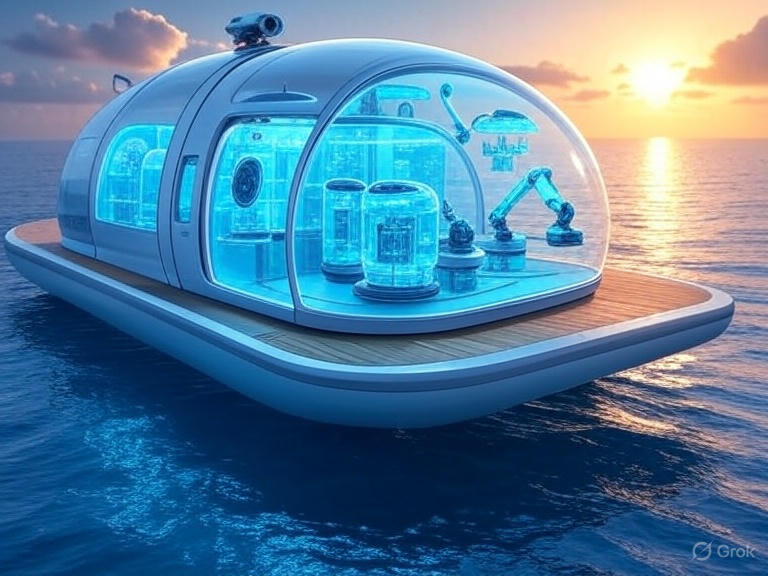
Project Mariner is a groundbreaking initiative focused on advancing oceanic exploration, sustainability, and technology. With the rising importance of marine ecosystems in combating climate change and supporting biodiversity, Project Mariner aims to lead global efforts in marine innovation and conservation.
What Are the Goals of Project Mariner?
1. Enhancing Marine Research
One of the primary goals of Project Mariner is to expand our understanding of the deep sea. By deploying advanced unmanned submarines, satellite systems, and AI-powered data collection tools, researchers hope to uncover the mysteries hidden beneath the ocean surface.
2. Promoting Sustainability
The project also focuses heavily on sustainable practices. From mapping coral reefs to monitoring pollution, Project Mariner supports initiatives that protect marine life and ensure long-term ecosystem health.
Key Technologies Used in Project Mariner
Autonomous Underwater Vehicles (AUVs)
Autonomous Underwater Vehicles (AUVs) are unmanned, self-guided submarines used to explore and collect data from the ocean without direct human control. They are essential in deep-sea research, mapping the ocean floor, monitoring marine life, and studying underwater environments where humans can’t easily reach. AUVs play a vital role in projects like Project Mariner, helping scientists gather accurate, real-time ocean data.
Satellite Remote Sensing
Satellite Remote Sensing is a technology that uses satellites to collect data about the Earth’s oceans from space. It allows scientists to monitor sea surface temperatures, ocean currents, weather patterns, and marine pollution on a global scale. In Project Mariner, this technology is crucial for tracking environmental changes and supporting marine research with large-scale, real-time insights.
AI and Machine Learning
AI and Machine Learning are advanced technologies that enable computers to analyze vast amounts of ocean data, identify patterns, and make predictions. In Project Mariner, these tools help process information from underwater sensors, satellites, and AUVs to uncover insights about marine ecosystems, climate trends, and environmental changes—faster and more accurately than ever before.
Why Project Mariner Matters
Climate Change
Climate change significantly affects ocean temperatures, sea levels, and marine biodiversity. Project Mariner plays a critical role in monitoring these changes by collecting real-time ocean data. This information helps scientists improve climate models, predict extreme weather events, and develop strategies to protect vulnerable marine ecosystems. Through its research, Project Mariner contributes to the global effort to understand and combat climate change.
Biodiversity
The ocean is home to an incredible range of biodiversity, much of which remains unexplored. Project Mariner supports the discovery and protection of marine species by studying habitats like coral reefs, deep-sea trenches, and coastal ecosystems. By monitoring changes in biodiversity and identifying threats such as pollution and overfishing, the project helps ensure the long-term health and balance of marine life around the world.
How to Get Involved with Project Mariner
If you’re passionate about ocean conservation or technology, there are multiple ways to contribute:
- Volunteer with affiliated marine research organizations
- Donate to ocean-focused non-profits
- Share Project Mariner content to raise awareness
You can also check out related initiatives on our Ocean Research Projects page.
The Future of Our Oceans
Project Mariner is more than just a research program—it’s a mission to protect and understand one of the most vital parts of our planet. As the project expands, it opens up new possibilities for innovation, environmental stewardship, and global collaboration.
👉 If you’re looking to stay updated or get involved, make sure to visit our news section .
👉 If you’re looking to stay updated, make sure to visit Google DeepMind